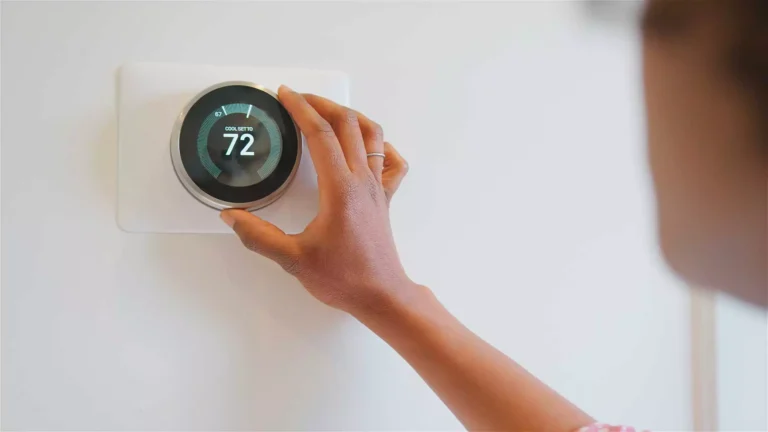

The Evolution of Home Climate Control Through Connected Technology
WiFi and smart thermostats represent one of the most significant advances in residential HVAC management in decades. These intelligent devices transform how homeowners interact with their heating and cooling systems, delivering unprecedented control, efficiency, and convenience. At Frontline HVAC Services, we specialize in integrating these advanced systems into Texas homes, ensuring seamless installation and configuration that maximizes both comfort and energy savings. The transition from traditional programmable thermostats to connected smart models typically reduces energy consumption by 20 to 30 percent while providing features that were unimaginable just a few years ago.
Smart thermostats utilize advanced algorithms and machine learning to understand your household’s patterns and preferences. These devices connect to your home’s WiFi network, enabling remote access through smartphone apps, voice assistants, and web interfaces. Unlike conventional thermostats that simply follow predetermined schedules, smart models actively learn from your behaviors, adjusting temperatures based on occupancy patterns, weather conditions, and even utility rate fluctuations. The integration capabilities extend beyond basic temperature control, connecting with other smart home devices, humidity sensors, air quality monitors, and even window sensors to create a comprehensive climate management ecosystem.
Core Technologies and Installation Requirements
The technical infrastructure supporting WiFi thermostats involves several critical components working in harmony. Most modern smart thermostats require a common wire (C-wire) to provide continuous 24-volt power for WiFi connectivity and advanced features. When C-wires aren’t present in existing installations, our technicians employ various solutions including power extender kits, adapter plates, or running new wiring through walls and attics. The WiFi component typically operates on 2.4 GHz networks, though newer models support 5 GHz bands for reduced interference and faster data transmission. Processing power within these devices rivals that of early smartphones, with ARM-based processors running sophisticated operating systems that manage multiple sensors, communication protocols, and user interfaces simultaneously.
Installation complexity varies significantly based on your existing HVAC configuration. Single-stage systems offer the most straightforward integration, while multi-stage heating and cooling systems, heat pumps with auxiliary heating, and zoned systems require careful configuration to ensure proper operation. Our certified technicians evaluate factors including system voltage requirements, relay configurations, and compatibility with variable-speed equipment. We keep Texas homes comfortable with honor, grit, and service you can trust, ensuring every installation meets manufacturer specifications while optimizing for your specific comfort needs and energy goals.
Advanced Features That Deliver Real Value
Modern smart thermostats offer capabilities that extend far beyond basic temperature scheduling. Geofencing technology uses your smartphone’s location to automatically adjust temperatures when you leave or approach home, eliminating energy waste from conditioning empty spaces. Motion sensors detect room occupancy, fine-tuning comfort settings based on actual usage patterns rather than rigid schedules. Weather integration pulls real-time data from local stations, preemptively adjusting settings for incoming temperature changes, humidity fluctuations, or extreme weather events.
Energy reporting features provide detailed insights into your HVAC system’s operation, tracking runtime hours, energy consumption patterns, and efficiency metrics. These reports identify opportunities for optimization, such as adjusting temperature setbacks, modifying schedules, or addressing maintenance issues before they escalate. Integration with utility demand response programs allows automatic participation in energy-saving initiatives, potentially earning rebates while reducing grid strain during peak periods. Voice control through Amazon Alexa, Google Assistant, and Apple HomeKit enables hands-free adjustments, particularly valuable when cooking, carrying items, or managing household tasks.
Selecting the Right Smart Thermostat for Your Home
Choosing an appropriate smart thermostat requires careful consideration of several factors:
- System compatibility: Verify support for your specific HVAC configuration including heating type, cooling stages, and auxiliary equipment
- User interface preferences: Consider whether you prefer touchscreens, physical controls, or primarily app-based interaction
- Ecosystem integration: Evaluate compatibility with existing smart home devices and preferred voice assistants
- Learning capabilities: Determine if adaptive scheduling aligns with your lifestyle or if manual programming better suits consistent routines
- Budget considerations: Factor in both upfront costs and potential energy savings over the device’s operational lifetime
Professional installation ensures optimal configuration and prevents compatibility issues that could damage HVAC equipment or compromise performance. From quick repairs to full installs, our crew shows up ready, respectful, and committed to doing the job right the first time—with the same heart that built us. We configure advanced settings including temperature differentials, compressor delay timings, and safety lockouts that protect your equipment while maintaining comfort.
The smart thermostat market continues evolving rapidly, with manufacturers introducing features like radar-based occupancy detection, air quality management, and predictive maintenance alerts. These innovations promise even greater efficiency and convenience for homeowners throughout Weatherford, TX and the surrounding areas, positioning WiFi-enabled climate control as an essential component of modern home comfort systems. Contact us today.