Understanding Your Home’s Heating System
Heating systems form the backbone of home comfort during colder months, and at Frontline HVAC Services, we understand that reliable warmth isn’t just about temperature—it’s about creating a sanctuary where your family thrives. Modern heating technology has evolved dramatically over the past two decades, with efficiency ratings improving by nearly 40% compared to systems installed in the early 2000s. These advancements mean homeowners throughout Weatherford, TX and the surrounding areas can experience superior comfort while reducing energy consumption significantly.
Our approach to heating combines technical expertise with practical solutions tailored to each home’s unique requirements. Whether you’re dealing with an aging furnace that’s been faithfully serving your home for fifteen years or considering an upgrade to take advantage of new high-efficiency models, we bring the same commitment to excellence that defines our service philosophy. We keep Texas homes comfortable with honor, grit, and service you can trust, ensuring every heating solution we implement meets both immediate needs and long-term reliability standards.
Types of Heating Systems We Service and Install
Gas furnaces remain the most popular heating choice across Weatherford, Hudson Oaks, Willow Park, Aledo, Springtown, Azle, Mineral Wells, White Settlement, Granbury, and Crowley, TX, accounting for approximately 48% of residential heating systems nationwide. These systems operate by burning natural gas in a combustion chamber, where heat exchangers transfer thermal energy to air that’s then distributed throughout your home via ductwork. Modern gas furnaces achieve Annual Fuel Utilization Efficiency (AFUE) ratings between 90% and 98%, meaning nearly all fuel consumed converts directly to heat. We specialize in installing and maintaining these systems, understanding the intricate balance between combustion efficiency, air distribution, and safety controls that ensure optimal performance.
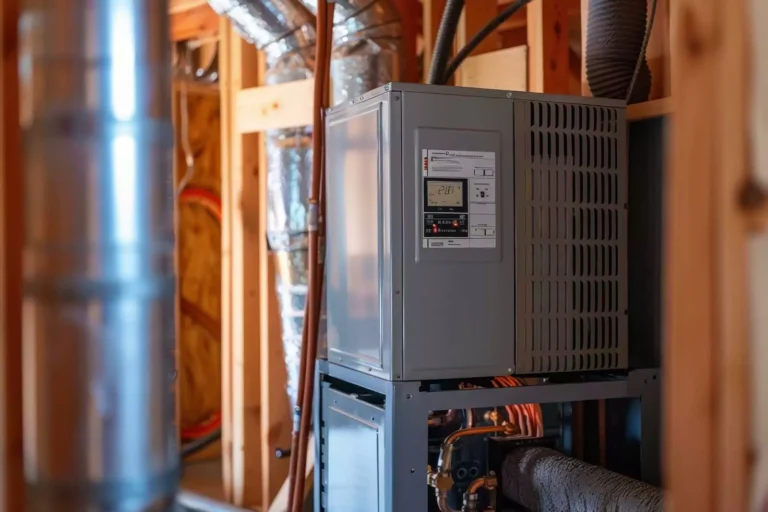
Heat pump systems represent another significant portion of our heating work, particularly appealing for their dual functionality providing both heating and cooling. These systems work by transferring heat rather than generating it through combustion, using refrigerant cycles similar to air conditioning but in reverse during winter months. Air-source heat pumps can achieve efficiency ratings of 300-400%, meaning they produce three to four units of heat for every unit of electricity consumed. We also install and service geothermal heat pump systems, which leverage stable underground temperatures to achieve even higher efficiency levels, though these require specific property conditions and initial investment considerations.
Electric resistance heating, while less common as a primary heat source due to operating costs, serves important roles in supplementary heating applications. Baseboard heaters, wall-mounted units, and electric furnaces provide reliable heat without combustion concerns, making them ideal for specific situations like room additions or homes without natural gas access.
Maintenance and Performance Optimization
Regular heating system maintenance extends equipment life by an average of five to seven years while maintaining peak efficiency throughout its operational lifespan. Our comprehensive maintenance protocols address critical components including heat exchangers, which can develop microscopic cracks over time that compromise both efficiency and safety. We inspect burner assemblies for proper flame characteristics, ensuring complete combustion that maximizes heat output while minimizing carbon monoxide production. Blower motors receive detailed attention, as bearing wear and electrical degradation can reduce airflow by up to 25%, forcing systems to run longer cycles and consume more energy.
From quick repairs to full installs, our crew shows up ready, respectful, and committed to doing the job right the first time—with the same heart that built us. This commitment extends to our maintenance approach, where we document system performance metrics including temperature rise across heat exchangers, static pressure measurements in ductwork, and combustion efficiency analysis. These data points create performance baselines that help identify developing issues before they result in system failures or costly emergency repairs.
Energy Efficiency and Cost Considerations
Heating typically accounts for 29% of residential energy consumption, making efficiency improvements one of the most impactful ways homeowners can reduce utility expenses. We help customers understand efficiency metrics beyond simple AFUE ratings, considering factors that affect real-world performance:
- Proper sizing calculations ensure systems match heating loads without wasteful oversizing that causes short cycling
- Ductwork integrity assessments identify leaks that can waste 20-30% of heated air before reaching living spaces
- Zoning system integration allows targeted heating for occupied areas rather than conditioning entire homes uniformly
- Smart thermostat programming optimizes heating schedules based on occupancy patterns and weather forecasts
- Insulation and air sealing evaluations address envelope deficiencies that force heating systems to work harder
Investment in high-efficiency heating equipment typically recovers initial costs through energy savings within five to eight years, depending on usage patterns and local utility rates. We provide detailed efficiency analyses helping customers understand potential savings and make informed decisions about system upgrades or replacements. Contact us today.