Understanding When Your Furnace Needs Replacement
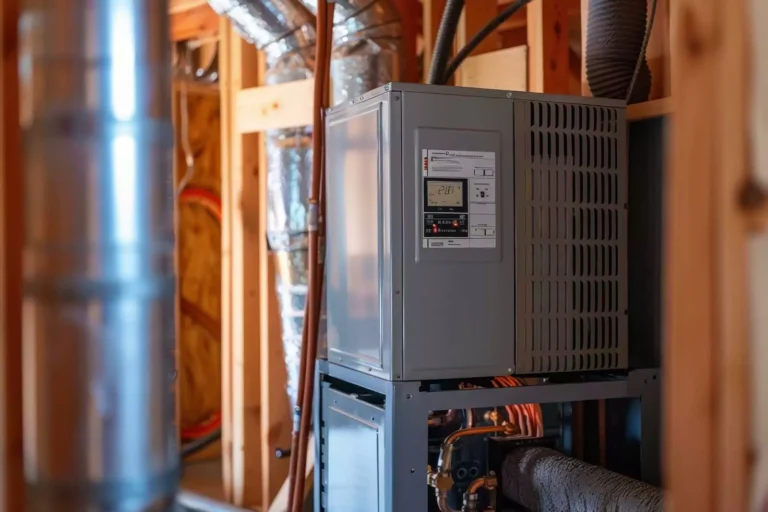
Your furnace typically serves as the backbone of your home’s heating system for 15 to 20 years, but several indicators signal when replacement becomes necessary. Age alone doesn’t determine replacement timing, though furnaces manufactured before 2010 often operate at efficiency ratings below 80 percent AFUE (Annual Fuel Utilization Efficiency), meaning 20 cents of every dollar spent on heating escapes through exhaust rather than warming your home. Modern high-efficiency units available through Frontline HVAC Services achieve ratings between 95 and 98 percent AFUE, translating to significant energy savings over the equipment’s lifetime.
Rising repair costs provide another clear replacement indicator. When annual repair expenses exceed 50 percent of a new system’s cost, or when your technician identifies cracked heat exchangers, faulty control boards, or deteriorating combustion chambers, replacement becomes the economically sound choice. Unusual noises like banging, squealing, or rattling often indicate serious mechanical issues, while uneven heating throughout your home suggests your current system can no longer distribute warm air effectively. Yellow pilot lights instead of blue flames signal incomplete combustion, potentially releasing carbon monoxide into your living spaces.
Professional Installation Process and Requirements
At Frontline HVAC Services, we keep Texas homes comfortable with honor, grit, and service you can trust, beginning each installation with comprehensive load calculations using Manual J methodology. This industry-standard process evaluates your home’s square footage, insulation levels, window placement, ceiling heights, and local climate data to determine precise heating requirements. Oversized furnaces cycle on and off frequently, creating temperature swings and increased wear, while undersized units run continuously without maintaining comfortable temperatures. Our calculations ensure your new system matches your home’s exact heating demands.
Installation begins with careful removal of existing equipment, including proper recovery of any remaining refrigerant in connected air conditioning systems. We inspect and often modify existing ductwork to accommodate new equipment specifications, sealing joints with mastic compound and adding insulation where necessary to prevent heat loss. Gas line connections require precise fitting and pressure testing to ensure safe operation, while electrical connections must handle the specific amperage requirements of modern variable-speed blower motors and electronic ignition systems. Venting configurations vary based on furnace efficiency ratings, with standard efficiency units requiring metal flue pipes extending through your roof, while high-efficiency condensing furnaces utilize PVC pipes vented through exterior walls.
Technology Advancements in Modern Furnace Systems
Today’s furnace technology extends far beyond simple on-off operation, incorporating sophisticated controls that optimize comfort and efficiency. Variable-speed blower motors adjust airflow based on heating demands, operating at lower speeds for consistent temperature maintenance and ramping up during recovery periods. This technology reduces energy consumption by up to 75 percent compared to single-speed motors while providing superior humidity control and quieter operation. Two-stage and modulating gas valves offer similar flexibility in heat output, with modulating systems adjusting flame intensity in one-percent increments to match exact heating requirements.
Smart thermostats integrate seamlessly with modern furnaces, learning your schedule and preferences while providing remote access through smartphone applications. These devices analyze runtime data, filter status, and system performance, alerting you to maintenance needs before minor issues become major repairs. Some systems incorporate zoning capabilities, directing heated air only to occupied areas while maintaining minimal temperatures in unused spaces. From quick repairs to full installs, our crew shows up ready, respectful, and committed to doing the job right the first time—with the same heart that built us.
Making the Right Furnace Selection
Selecting appropriate equipment involves evaluating multiple factors beyond basic heating capacity. Consider your long-term residence plans, as high-efficiency equipment typically requires seven to ten years to recover initial investment through energy savings. In Weatherford, TX and the surrounding areas, natural gas furnaces generally provide the most economical operation, though propane and electric options serve areas without gas infrastructure. Heat pump systems offer an alternative for moderate climates, providing both heating and cooling through a single unit.
- Single-stage furnaces operate at full capacity whenever running, providing reliable heating at lower initial costs
- Two-stage models offer low-fire operation for mild weather and high-fire capability for extreme cold conditions
- Modulating furnaces continuously adjust output levels, maintaining temperatures within half a degree of setpoint
- Hybrid systems combine heat pumps with gas furnaces, automatically selecting the most efficient fuel source based on outdoor temperatures
Warranty considerations significantly impact long-term value, with manufacturers offering various coverage levels for heat exchangers, parts, and labor. Premium equipment often includes lifetime heat exchanger warranties, while standard models typically provide 20-year coverage. Understanding these distinctions helps you make informed decisions balancing initial investment against potential future repair costs throughout your ownership period. Contact us today.