
Understanding Heat Pump Technology and Its Benefits
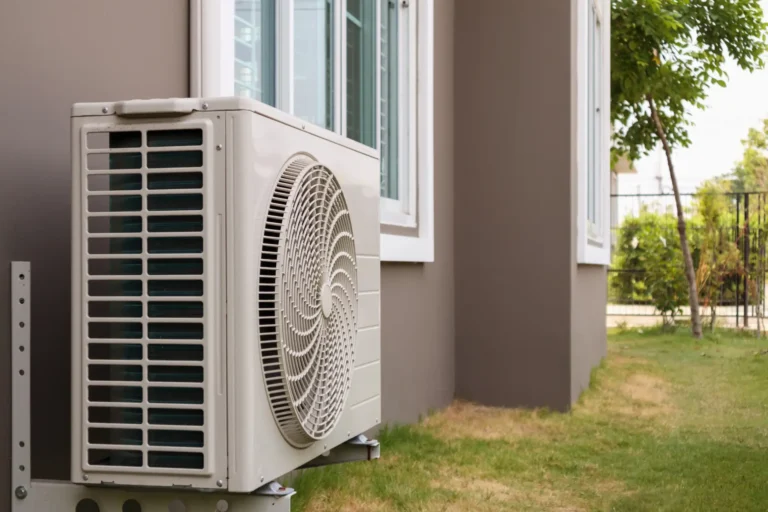
Heat pumps represent one of the most efficient heating and cooling solutions available for modern homes, and at Frontline HVAC Services, we specialize in helping homeowners maximize their comfort while minimizing energy costs. Unlike traditional heating systems that generate heat through combustion or electrical resistance, heat pumps move existing heat from one location to another, making them remarkably efficient. During winter months, these systems extract heat from outdoor air—even when temperatures drop below freezing—and transfer it inside your home. In summer, the process reverses, removing heat from your indoor spaces and expelling it outside, functioning exactly like an air conditioner.
The efficiency of heat pumps is measured by their coefficient of performance, which typically ranges from 3.0 to 5.0, meaning they produce three to five units of heating or cooling energy for every unit of electricity consumed. This exceptional efficiency translates directly into lower utility bills, with many homeowners experiencing energy savings of 30 to 40 percent compared to traditional electric heating systems. We keep Texas homes comfortable with honor, grit, and service you can trust, and our experience shows that properly installed heat pumps can reduce heating costs by up to 50 percent compared to electric furnace systems and baseboard heaters.
Types of Heat Pump Systems We Install
Our team at Frontline HVAC Services installs various heat pump configurations to match different home layouts and comfort requirements across Weatherford, TX and the surrounding areas. Air source heat pumps remain the most common choice, drawing heat from outdoor air and suitable for most residential applications. These systems have advanced significantly in recent years, with newer models featuring variable-speed compressors that adjust output based on heating or cooling demands, maintaining consistent temperatures while operating at peak efficiency. Ducted systems integrate seamlessly with existing ductwork, while ductless mini-split heat pumps offer targeted comfort control for individual rooms or additions without requiring extensive renovation.
Ground source or geothermal heat pumps utilize the earth’s consistent underground temperature, typically between 45 and 75 degrees Fahrenheit, to provide heating and cooling with even greater efficiency than air source models. While installation requires more initial investment due to underground loop installation, these systems deliver exceptional long-term savings and can last 25 years for indoor components and over 50 years for ground loops. Hybrid or dual-fuel systems combine heat pumps with gas furnaces, automatically switching between energy sources based on outdoor temperatures and utility rates to optimize both comfort and operating costs throughout changing seasons.
Installation Process and Technical Considerations
Professional installation ensures optimal performance and longevity of your heat pump system. Our certified technicians begin with comprehensive load calculations, evaluating your home’s square footage, insulation levels, window efficiency, and local climate data to determine the appropriate system capacity. Oversized units cycle on and off frequently, reducing efficiency and comfort while increasing wear, while undersized systems run continuously without adequately heating or cooling your space. From quick repairs to full installs, our crew shows up ready, respectful, and committed to doing the job right the first time—with the same heart that built us.
Key Installation Steps Include:
- Site evaluation and equipment placement: determining optimal locations for indoor and outdoor units considering airflow, drainage, noise levels, and service accessibility
- Electrical system assessment: verifying adequate electrical capacity and installing appropriate disconnects and circuit breakers meeting National Electrical Code requirements
- Refrigerant line installation: properly sizing and insulating copper linesets while ensuring correct refrigerant charge according to manufacturer specifications
- Condensate drainage setup: establishing proper drainage paths preventing water damage and ensuring compliance with local building codes
- System commissioning: performing startup procedures, checking refrigerant pressures, verifying airflow rates, and calibrating thermostats for optimal operation
Maintenance Requirements and Long-Term Performance
Regular maintenance maximizes heat pump efficiency and extends equipment lifespan significantly beyond the typical 15 to 20 year expectancy. Our maintenance programs include biannual inspections addressing both heating and cooling operations, ensuring your system operates reliably year-round. Filter replacement every one to three months prevents airflow restrictions that force systems to work harder, increasing energy consumption and potentially causing premature component failure. Outdoor unit coils require periodic cleaning to remove debris, leaves, and grass clippings that impede heat transfer, while indoor coils need annual inspection for dust accumulation affecting efficiency.
Professional maintenance tasks include checking refrigerant levels, testing electrical connections, lubricating motors, inspecting ductwork for leaks, and verifying proper thermostat operation. Our technicians also monitor system performance trends, identifying potential issues before they develop into costly repairs. This proactive approach helps maintain manufacturer warranties while ensuring your heat pump continues delivering efficient, reliable comfort throughout its service life in demanding Weatherford, Hudson Oaks, Willow Park, Aledo, Springtown, Azle, Mineral Wells, White Settlement, Granbury, and Crowley, TX weather conditions. Contact us today.