Commercial HVAC Systems and Your Business Success
Managing climate control in commercial spaces requires expertise that goes beyond residential heating and cooling. At Frontline HVAC Services, we understand that commercial HVAC systems directly impact your operational efficiency, employee productivity, and customer satisfaction. These complex systems demand specialized knowledge of load calculations, zoning requirements, and equipment specifications that vary dramatically based on building size, occupancy patterns, and business operations. Whether you’re running a retail store, managing an office complex, or operating a warehouse facility, proper HVAC design and maintenance can reduce energy costs by up to 40% while extending equipment lifespan by several years.
Commercial buildings typically consume approximately 35% of their total energy on heating, ventilation, and air conditioning, making system efficiency a critical factor in controlling operational expenses. Our approach combines advanced diagnostic technology with time-tested mechanical expertise to deliver solutions that balance comfort requirements with energy management goals. We keep Texas homes comfortable with honor, grit, and service you can trust, and we bring that same commitment to every commercial project. From quick repairs to full installs, our crew shows up ready, respectful, and committed to doing the job right the first time—with the same heart that built us.
Understanding Commercial HVAC Requirements
Commercial HVAC systems differ fundamentally from residential units in scale, complexity, and regulatory compliance requirements. These systems must accommodate varying occupancy levels throughout the day, manage diverse thermal loads from equipment and lighting, and maintain specific humidity levels for both human comfort and equipment protection. Building codes across Weatherford, TX and the surrounding areas mandate minimum ventilation rates based on square footage and maximum occupancy, requiring precise calculations during system design. Additionally, commercial systems often integrate with building automation systems, fire suppression equipment, and security protocols, creating an interconnected network that demands comprehensive technical knowledge.
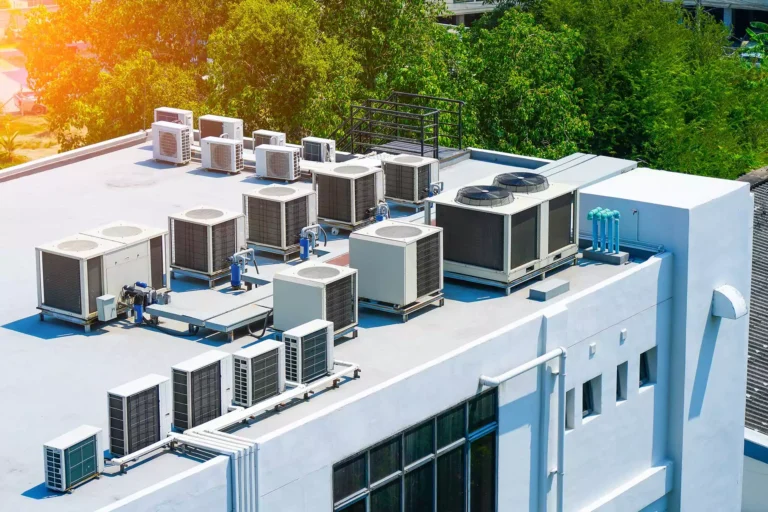
The selection process for commercial equipment involves analyzing multiple variables including building envelope characteristics, internal heat gains, solar exposure, and usage patterns. Rooftop units, split systems, variable refrigerant flow systems, and chilled water systems each offer distinct advantages depending on building configuration and operational requirements. Modern commercial HVAC technology incorporates variable speed drives, demand-controlled ventilation, and economizer cycles that automatically adjust system operation based on real-time conditions, potentially reducing energy consumption by 20-30% compared to traditional constant-volume systems.
Preventive Maintenance and System Optimization
Regular maintenance extends beyond simple filter changes in commercial environments. Comprehensive preventive maintenance programs encompass refrigerant charge verification, belt tension adjustments, electrical connection inspections, condensate drain cleaning, and control system calibration. Studies indicate that properly maintained commercial HVAC systems operate 15-20% more efficiently than neglected units while experiencing 50% fewer unexpected breakdowns. Our technicians perform detailed inspections that identify potential failure points before they escalate into costly emergencies, documenting findings and recommending corrective actions based on manufacturer specifications and industry best practices.
System optimization involves analyzing operational data to identify inefficiencies and implement corrective measures. This includes adjusting control sequences, rebalancing airflow distribution, upgrading outdated components, and retrofitting existing equipment with energy-saving technologies. Many commercial facilities benefit from implementing scheduled setbacks during unoccupied periods, optimizing economizer operations, and installing programmable thermostats or advanced building management systems that provide centralized control and monitoring capabilities.
Indoor Air Quality Solutions for Commercial Spaces
Indoor air quality directly affects occupant health, cognitive function, and overall workplace satisfaction. Commercial buildings face unique challenges including volatile organic compounds from office equipment, biological contaminants from high-density occupancy, and particulate matter from outdoor air intake. Advanced filtration systems, including HEPA filters and UV germicidal irradiation, can remove up to 99.97% of airborne particles while neutralizing bacteria and viruses.
- Enhanced Filtration Systems: Installation of MERV 13 or higher rated filters captures smaller particles including many bacteria and virus carriers
- Humidity Control: Maintaining relative humidity between 40-60% prevents mold growth while reducing virus transmission rates
- Ventilation Upgrades: Increasing outdoor air intake and improving air circulation patterns dilutes indoor contaminants
- Air Purification Technology: Implementation of bipolar ionization or photocatalytic oxidation provides active air cleaning
- Regular Duct Cleaning: Professional ductwork maintenance removes accumulated dust, allergens, and microbial growth
Modern air quality monitoring systems provide real-time data on carbon dioxide levels, particulate concentrations, and volatile organic compounds, enabling proactive adjustments to ventilation rates and filtration strategies. These improvements typically result in reduced absenteeism, increased productivity, and enhanced tenant satisfaction, providing measurable return on investment through improved business outcomes and reduced healthcare costs.