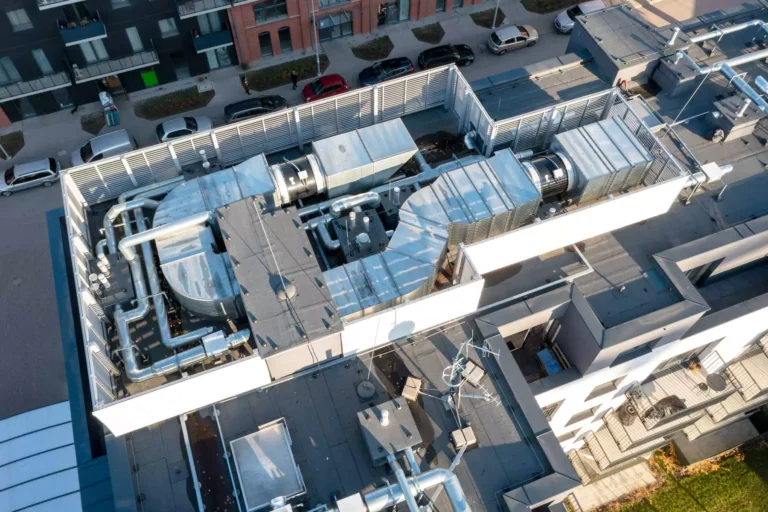

Understanding Commercial HVAC Installation Requirements
Commercial HVAC installation represents a complex undertaking that demands extensive planning, technical expertise, and precise execution to ensure optimal performance and energy efficiency. Unlike residential systems, commercial installations must account for larger spaces, diverse occupancy patterns, and varying thermal loads throughout different zones of a building. At Frontline HVAC Services, we approach each commercial project with meticulous attention to these unique requirements, conducting thorough load calculations that consider factors such as building orientation, insulation levels, window placement, and anticipated occupancy rates. Our installation process begins with comprehensive site assessments that evaluate existing infrastructure, electrical capacity, and structural considerations that may impact system placement and configuration.
The modern commercial environment demands HVAC solutions that balance comfort, efficiency, and operational costs while meeting increasingly stringent building codes and environmental regulations. We specialize in installing advanced systems that incorporate variable refrigerant flow technology, energy recovery ventilation, and smart building integration capabilities. These sophisticated installations require careful coordination with other building systems, including electrical, plumbing, and building automation networks, ensuring seamless operation and centralized control capabilities that facility managers need for effective oversight.
Equipment Selection and System Design
Selecting appropriate equipment for commercial HVAC installation involves analyzing multiple variables that directly impact system performance and longevity. We evaluate cooling and heating loads using industry standard Manual N calculations, which account for internal heat gains from lighting, equipment, and occupants, as well as external factors like solar heat gain and infiltration rates. This detailed analysis enables us to recommend systems that maintain consistent temperatures while minimizing energy consumption, whether installing rooftop units handling 50 tons of cooling capacity or split systems serving individual zones within multi-tenant buildings.
Modern commercial installations increasingly feature modular equipment designs that allow for phased implementation and future expansion as business needs evolve. We install systems ranging from packaged rooftop units with integrated economizers to complex chiller plants serving high-rise buildings throughout Weatherford, TX and the surrounding areas. Each installation incorporates redundancy planning to ensure continuous operation during maintenance or equipment failure, utilizing parallel compressor configurations and backup systems that automatically engage when primary equipment requires servicing. Our technical expertise extends to specialized environments requiring precise climate control, including server rooms maintaining temperatures between 64 and 80 degrees Fahrenheit with humidity levels controlled within 20 to 80 percent relative humidity ranges.
Installation Process and Project Management
Executing commercial HVAC installations requires coordinated efforts across multiple trades while minimizing disruption to ongoing business operations. We maintain the same commitment to showing up ready, respectful, and focused on doing the job right the first time that has defined our approach since day one. Our installation teams follow detailed project schedules that outline critical path activities, material delivery timelines, and coordination requirements with other contractors. Throughout the installation process, we implement quality control checkpoints that verify proper refrigerant charging, airflow measurements, and control system programming before advancing to subsequent phases.
The physical installation encompasses multiple stages, beginning with equipment placement using cranes or rigging systems for rooftop units, followed by ductwork fabrication and installation that maintains proper static pressure throughout the distribution network. We install refrigerant piping with careful attention to proper sizing, insulation, and support spacing that prevents vibration induced failures. Electrical connections require coordination with licensed electricians to ensure proper voltage, phase rotation, and control wiring that enables sophisticated building automation features. Our crews complete each phase with the honor, grit, and service you can trust that keeps Texas homes and businesses comfortable year round.
Benefits of Professional Commercial Installation
Professional commercial HVAC installation delivers measurable benefits that extend far beyond initial system startup. Properly installed systems typically achieve 15 to 30 percent better energy efficiency compared to improperly configured equipment, translating to substantial operational savings over the system’s 15 to 20 year service life. Our installation practices ensure optimal refrigerant charge levels, correct airflow rates, and properly calibrated controls that maximize equipment efficiency ratings.
- Energy efficiency optimization: proper sizing and configuration reduces utility costs by preventing short cycling and maintaining design efficiency levels
- Extended equipment lifespan: correct installation minimizes component stress and premature wear
- Improved indoor air quality: properly sealed ductwork and calibrated ventilation rates ensure healthy indoor environments
- Reduced maintenance requirements: quality installation practices prevent common issues that lead to frequent service calls
- Warranty protection: manufacturer warranties remain valid when installation meets specified requirements
Professional installation also ensures compliance with applicable codes and standards, including ASHRAE guidelines for ventilation rates, International Mechanical Code requirements, and local amendments specific to commercial buildings in Weatherford, Hudson Oaks, Willow Park, Aledo, Springtown, Azle, Mineral Wells, White Settlement, Granbury, and Crowley, TX. These standards address critical safety considerations including proper combustion air provisions for gas fired equipment, emergency shutdown capabilities, and smoke control integration that protects building occupants during fire events. Contact us today.